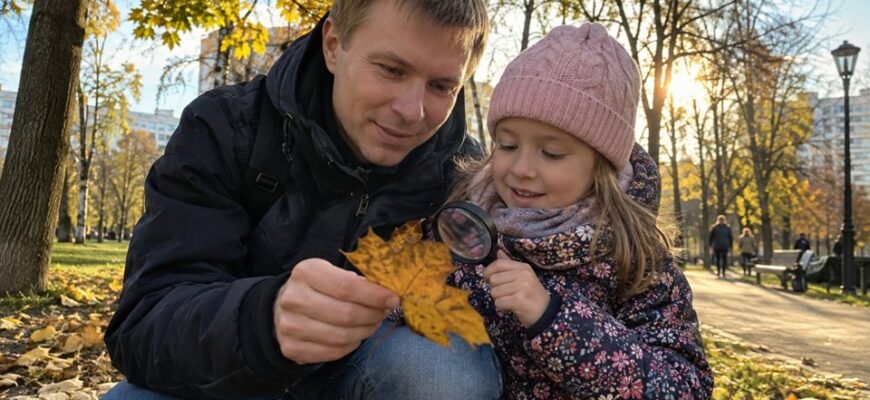
Children's questions often begin with something ordinary: a shadow on the wall, a leaf with an unusual edge or a cardboard box that holds more than expected. Encouraging curiosity does not require a dramatic experiment every day. It requires time to notice, ask and investigate a question that feels meaningful.
You do not need to know every answer in advance. A useful response can be, “I am not sure; let's find a way to check.” The activities below help turn that response into a practical routine. They emphasize observation and explanation without promising that one game will produce a particular academic result.
- Make room for noticing
- Separate a question from a guess
- Compare leaves using one feature at a time
- Explore shadows with a consistent setup
- Compare materials that transmit light
- Investigate a cardboard box
- Keep a small discovery notebook
- Connect interests to new topics
- FAQ
- What if I do not know the answer?
- My child asks many questions. Must I answer immediately?
- What if the child loses interest quickly?
- Do we need a science kit?
- How should I respond to an incorrect explanation?
- Can digital courses support curiosity?
Make room for noticing
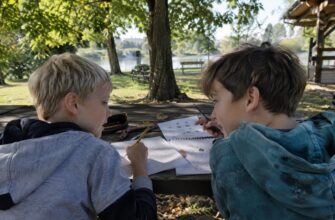
During a walk, choose one small area to observe: a tree, a patch of pavement or a shop window. Ask what your child notices before naming everything yourself. They may focus on color, shape, sound or a detail you overlooked.
Use questions that invite a closer look. “What is different about these two leaves?” gives the child something specific to inspect. “What else do you notice?” leaves room for a second observation. Avoid turning the walk into an uninterrupted series of questions that the child must answer.
Let your child choose an object to draw or describe later. A photo can preserve a detail, but do not collect plants or objects where doing so is prohibited. Often a quick sketch is enough to carry the observation home.
Separate a question from a guess
Suppose your child asks why a large leaf looks darker than a small one. First, state the question clearly. Then invite possible explanations: perhaps the leaves are different kinds, perhaps the light is different, or perhaps one is wetter.
Call these ideas guesses or hypotheses, using language your child understands. A confident guess is still something to investigate. Ask what you could compare and what would count as evidence for a particular explanation.
This distinction helps prevent an adult's first suggestion from becoming the answer automatically. You can say, “That is one possibility. What could we look at to find out more?” without requiring a formal science vocabulary lesson.
Compare leaves using one feature at a time
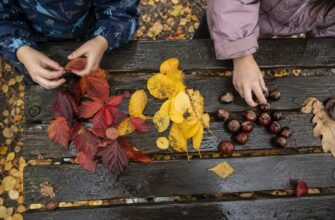
Choose several fallen leaves and describe their edges, sizes and colors. Sort by one feature, such as smooth versus jagged edges. Then rearrange the same leaves using another feature.
Ask whether a leaf can belong to different groups under different rules. A small yellow leaf might sit with other small leaves in one sort and with yellow leaves in another. The object has not changed; the question used to organize it has.
Use a magnifying glass if available and draw one newly visible detail. Keep the drawing simple and label what was actually observed. If your child cannot identify the tree, write “unknown leaf” and check a reliable identification source later rather than attaching a guessed species name.
Explore shadows with a consistent setup
Place a sturdy object on a table and shine a small light toward it. Change the light's position while leaving the object in place. Ask how the shadow moves or changes size. Make sure the light is used as intended and avoid shining it into anyone's eyes.
Trace one shadow on paper, then move the light and trace another. The two outlines provide evidence to discuss. Ask which feature changed and which parts of the setup stayed the same.
Outside, observe the shadow of a fixed object at different times if your routine allows. Record the time and direction rather than claiming that every difference has one obvious cause. Indoor demonstrations and outdoor observations raise related questions but involve different light sources and surroundings.
Compare materials that transmit light
Use a clear plastic container, thin paper and cardboard with an ordinary flashlight. Predict what you will see when each material is placed between the light and a surface. Then compare the results.
Describe the observation carefully: the container lets much of the light through, the paper gives a dimmer glow, and the cardboard blocks the beam in this setup. The amount of light can depend on material thickness, color and the particular object used.
Ask your child to find another everyday material and predict its result. Keep the comparison away from hot bulbs, electrical components or objects that require dismantling. Simple, familiar materials are enough to explore the question.
Investigate a cardboard box
Give your child a box and several safe, lightweight objects. Ask which arrangement will fit more objects and why. Try one arrangement, draw it and then reorganize the same objects.
Compare the empty spaces between items. Does changing orientation help? Does grouping similar shapes create a different result? The goal is to reason about the arrangement, not to prove that one method always wins.
For another challenge, build a bridge between two stable supports with a sheet of paper. Compare a flat sheet with an accordion fold using a small, lightweight test object. Agree on the setup and stop if the supports are unstable. Discuss the actual results rather than presenting a demonstration as a guaranteed outcome.
Keep a small discovery notebook
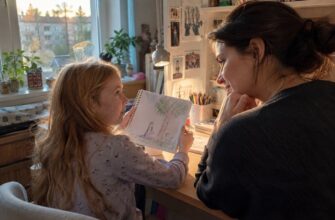
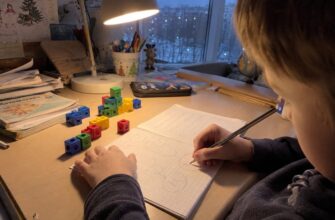
Use four simple prompts: our question, our guess, what we tried and what we noticed. A child can draw, dictate or write a few words. The notebook should preserve thinking rather than become a handwriting assignment.
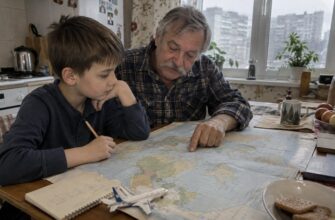
Include questions that remain unanswered. Add a note about where you might look next: a book, a trusted science resource or someone with relevant expertise. Revisiting an unfinished question shows that learning can continue beyond one activity.
Sometimes the result will differ from the prediction. Ask what changed in the setup and whether you need another comparison. A revised explanation is a useful outcome, not evidence that the activity failed.
Connect interests to new topics
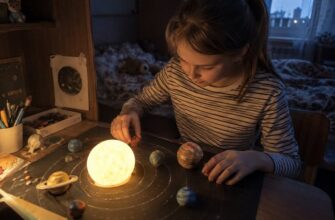
If your child enjoys animals, compare habitats or explore a familiar species through IQClass learning activities. If space raises questions, try solar-system activities. Follow one interest far enough to create a real question before opening many unrelated lessons.
You can also combine observation with fall learning activities. Keep the child's contribution visible: choosing a feature, suggesting a comparison or explaining a result. Adult enthusiasm helps most when it leaves room for the child's own thinking.
FAQ
What if I do not know the answer?
Say so and identify a practical way to investigate. You can observe, compare or consult a reliable source. Distinguish what you know from what you are guessing so the child sees how answers are checked.
My child asks many questions. Must I answer immediately?
No. Record a question and agree on a time to return to it. When you do investigate, let the child help choose a method rather than receiving only an adult explanation.
What if the child loses interest quickly?
Choose a question connected to something they already noticed and reduce the task. One comparison or drawing can be enough. You can return later if the question becomes interesting again.
Do we need a science kit?
Many useful observations involve ordinary objects, paper and a light. A kit may provide materials, but a clear question and thoughtful comparison matter more than having many accessories.
How should I respond to an incorrect explanation?
Ask what observation supports it and suggest a comparison. Avoid turning every guess into a correction. Help the child distinguish a possible idea from a conclusion supported by what you tried.
Can digital courses support curiosity?
They can introduce topics and provide explanations. Extend one idea into a question or real-world observation afterward. Check whether the child can describe what interested them rather than only naming a completed level.