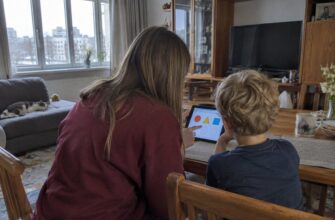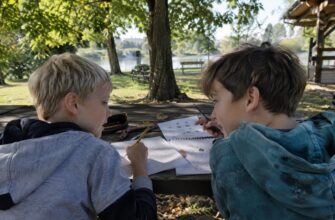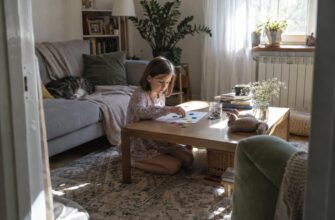
Getting ready for school involves more than recognizing letters or completing a workbook. A child also needs practice asking for help, managing everyday belongings, listening to instructions and approaching an unfamiliar task. These abilities grow through ordinary routines as well as organized learning.
This school readiness plan offers activities for ages 6–7 that you can adapt to your child. It is a menu of useful experiences, not a test of whether a child deserves to start school. Entry requirements and classroom routines differ, so check the information provided by your actual school before buying materials or choosing a preparation program.
- Start with what your child can already do
- Listening: make instructions visible and usable
- Language: explain, retell and ask
- Early math: connect quantities to situations
- Independence: use the real routine
- Learning together and coping with mistakes
- A flexible week at home
- FAQ
- Does school readiness mean reading fluently?
- How much preparation should we do each day?
- What if my child forgets instructions?
- Should we buy lots of workbooks?
- My child avoids difficult tasks. What can we try?
- How do we know our home plan is helping?
Start with what your child can already do
Watch a familiar activity without interrupting: getting ready to leave, building something, explaining a game or setting up a drawing station. Notice what happens independently and where your child asks for support. Describe the situation precisely. “Needs a reminder to put the pencil case in the bag” gives you a practical starting point; “is not ready” does not.
Choose one small skill to practice this week. If packing a bag is difficult, begin with three familiar items and a picture checklist. If following a task is harder, use one clear instruction before adding another. A manageable next step helps you avoid turning every part of the day into preparation.
Listening: make instructions visible and usable
Play a delivery game. Ask your child to bring the blue block to the table. Later, try two connected actions: bring the blue block and place it beside the cup. Let the child repeat the instruction or point to the items before starting. That repetition is a useful strategy, not something to discourage.
Take turns being the person who gives directions. Your child may discover that “put it there” leaves the listener guessing. Ask how to make the message clearer. For a playful challenge, describe a small construction using location words such as behind, beside and between, then compare the finished models.
Keep noise and competing instructions low while introducing a new routine. If the child misses one part, identify it together instead of repeating the whole instruction more loudly. The goal is to learn a workable way of remembering and checking what needs to happen.
Language: explain, retell and ask
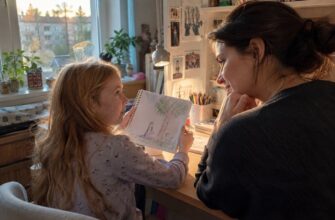
After reading a short story, invite your child to choose three moments: what happened first, what changed and how it ended. Pictures or simple drawings can support the retelling. You do not need a perfect summary or every character's name.
Everyday explanations are equally valuable. Ask how a homemade bridge was built, how to play a favorite game or why a character made a choice. Wait for the answer before suggesting your own. If the explanation is unclear, ask one specific question: “Where does the second player start?” This models conversation rather than a quiz.
Practice useful classroom phrases through pretend play: “Please explain that again,” “I have finished this part,” and “I need help finding my page.” A child can rehearse asking for help without being placed in a real situation that feels stressful.
Early math: connect quantities to situations
Count objects that belong to a task: pencils for three people, cups for a pretend picnic or blocks for two towers. Ask whether there are enough and how to check. Move the objects and count again so the total does not become tied to one arrangement.
Explore small additions and removals with materials. If there are four toy animals and two join, show what changed before writing 4 + 2 = 6. Compare lengths with a strip of paper, sort shapes using one rule and create a repeating pattern. These experiences offer more information about understanding than speed alone.
For a fuller set of examples, see math activities for ages 5–7. Adjust numbers to the child rather than assuming every six-year-old should work at the same level.
Independence: use the real routine
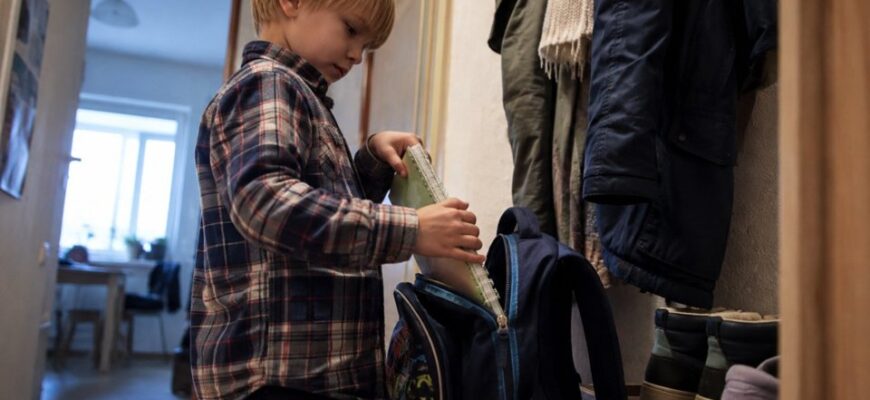
Let your child practice opening the lunch container, putting on familiar clothing and finding items in the bag. Use the equipment that will actually go to school. A difficult zipper is easier to notice at home than during the first busy morning.
Create a short packing checklist with pictures or words. Put the items in a consistent place and let your child check them off. Initially, work together; later, wait for the child to ask before stepping in. If something is forgotten, revise the checklist instead of labeling the child careless.
Independence includes knowing when an adult is needed. Discuss which problems the child can try to solve and which require help, such as feeling unwell or being unable to find the expected adult. Keep these conversations calm, concrete and connected to the school's arrangements.
Learning together and coping with mistakes
Play a cooperative building game in which each person adds one piece. Practice waiting, describing an idea and accepting a different suggestion. Occasionally change the plan together and show how you decide what to do next.
During a puzzle, describe your own checking process: “That piece does not fit, so I will look at its edges.” Avoid manufacturing mistakes to test the child. Real small setbacks provide enough opportunities to discuss trying another approach.
A predictable ending also helps. Tell your child which activity comes next and leave time to finish or photograph an unfinished project. Moving between activities is part of many school days, and it can be rehearsed without rushing.
A flexible week at home
On Monday, practice packing and unpacking the bag. On Tuesday, retell a short story with three drawings. On Wednesday, organize a pretend shop using small quantities. On Thursday, follow directions to build a model. On Friday, play a turn-taking game and review which routine became easier.
A focused activity can be brief. Stop while both of you can still discuss what happened. Preserve time for play, movement, reading and ordinary family life. If you use digital activities, choose one clear goal and ask the child to explain an example afterward. IQClass courses and thinking games can provide additional practice alongside these hands-on experiences.
FAQ
Does school readiness mean reading fluently?
Reading expectations vary by school and program. Ask the school what it expects and avoid using a single skill as the entire definition of readiness. Listening, communication, independence and early number understanding also matter in daily classroom activities.
How much preparation should we do each day?
Choose a manageable activity and observe engagement. A short, focused attempt is useful if the child can explain or practice something. You do not need to convert every free hour into formal school preparation.
What if my child forgets instructions?
Reduce the number of steps and make them visible. Encourage repetition, a picture cue or checking the first step before starting. Gradually add complexity when the simpler version becomes comfortable.
Should we buy lots of workbooks?
Start with the skill you want to practice and use materials you already have. A workbook can be helpful for a specific purpose, but it cannot replace experience with real belongings, conversations and shared games.
My child avoids difficult tasks. What can we try?
Offer a smaller first step and make help predictable. Describe progress specifically, such as noticing a rule or checking an answer. If difficulties persist across daily situations, discuss your observations with the child's teacher.
How do we know our home plan is helping?
Look for practical changes: fewer reminders, clearer explanations or a strategy the child uses independently. Keep a few examples and review them together. Compare the child with their earlier attempts rather than with another child's pace.