
By section
The course consists of chapters and thematic lessons. You can focus on one topic and understand it step by step.
Ten short lessons about the hooves, mane, feelings, herd, foals, movement, care and relatives of horses. 50 own problems to observe, compare and apply knowledge.
Trial tasks are available without registration. To save results, start classes in your student profile.
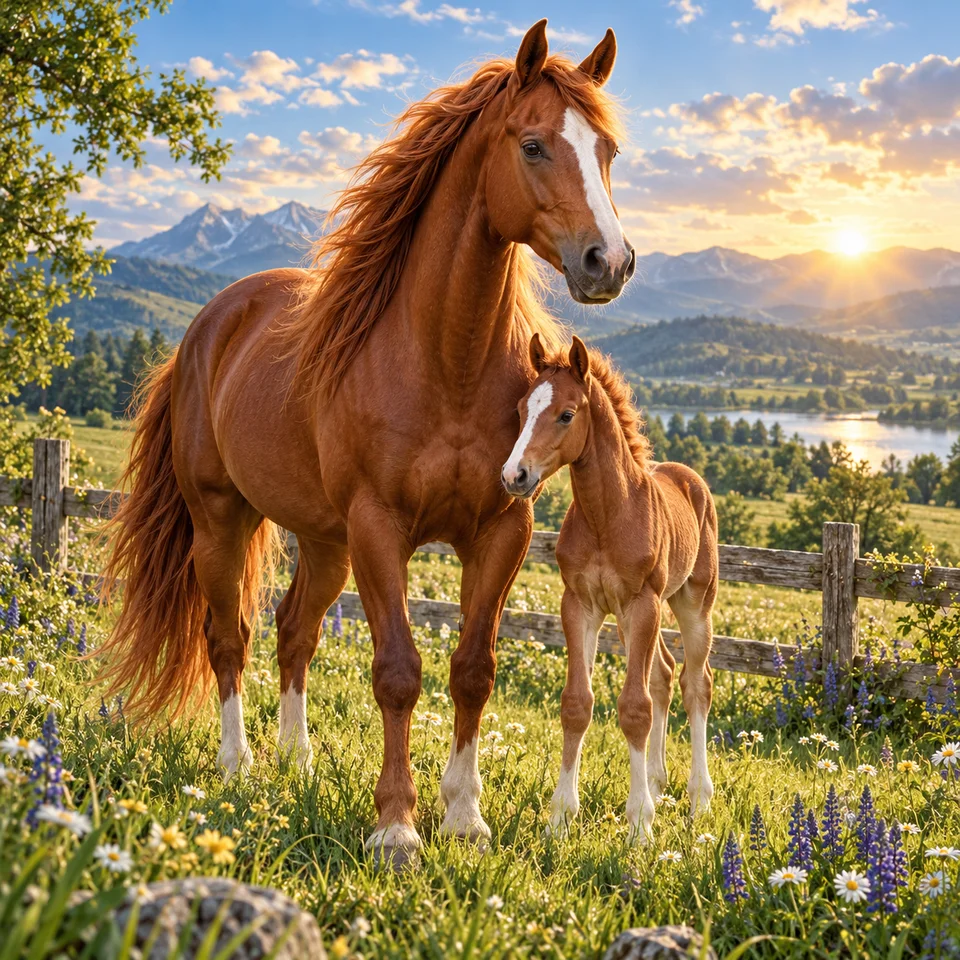
Choose a section or take classes in order. Both modes use the same objectives and results.
We recognize a mammal, plant food and a foal.
We distinguish between body parts and cover.
We distinguish feelings and do not add reasons to the observation.
We take into account the whole body, the distance and the adult nearby.
We understand herd, communication and mutual care.
We recognize development and do not separate animals for the sake of observation.
Let's get acquainted with the movement pattern, and not with the table of records.
We separate sleep, water and care from the visitor's entertainment.
Comparing the group, appearance and lifestyle.
We understand the conservation of the environment and the boundaries of the observer's conclusions.
The course consists of chapters and thematic lessons. You can focus on one topic and understand it step by step.
Choose a grid of activities or a route map. Consecutive classes open in order. One lesson may contain tasks from different topics.
Free thematic lessons: 2. Free consecutive lessons: 2. Other classes open with Premium. Access is granted by the parent.
Completed tasks, stars and results are saved in the student’s profile. Hints and explanations help you figure out the answer.